
 By Oilver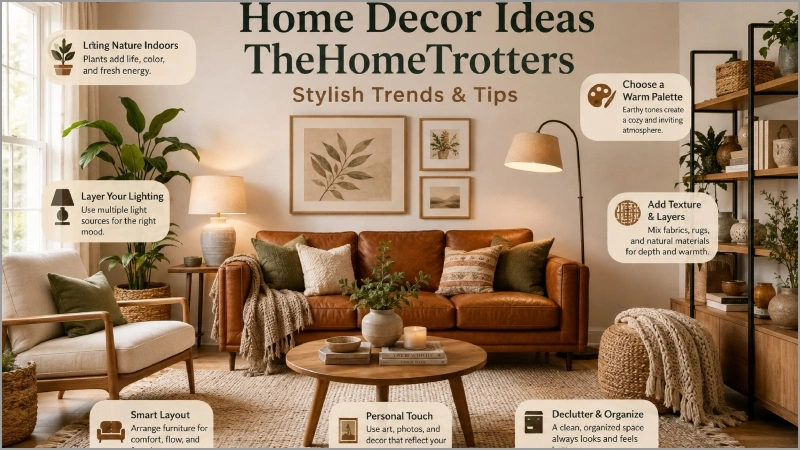
Creating a beautiful home does not always require expensive furniture or a complete renovation. The right colors, textures, lighting, and furniture arrangement can make an ordinary room feel comfortable and stylish. If you are searching for home decor ideas thehometrotters, focus on choices that look good while also fitting your everyday lifestyle.
In 2026, interior design is moving toward warmer, more personal spaces. Natural materials, layered lighting, earthy colors, textured fabrics, and practical furniture are becoming increasingly popular.
Choose a Warm Color Palette
Color provides the foundation for your decor. Instead of using several competing shades, select one main color and two or three complementary tones.
Warm neutrals such as beige, cream, taupe, and soft brown create a flexible base. You can then add olive green, terracotta, navy, or muted gold through cushions, rugs, artwork, or other accessories.
For example, beige walls paired with wooden furniture and olive cushions can create a warm living room without making it feel overly decorated.
Add Texture for More Character
A room can feel flat when everything has the same finish. Mixing textures gives the space depth and makes it feel more inviting.
Try combining:
- Wood furniture with linen curtains
- A plush area rug paired with a sleek leather couch
- Woven baskets with ceramic accessories
- Cotton cushions with a knitted throw
Current design trends continue to favor tactile materials and layered textures because they add warmth without requiring excessive decoration.
Improve Your Lighting
Lighting can completely change how a room looks and feels. Instead of depending on one bright ceiling light, use several sources.
A floor lamp can brighten a dark corner, while a table lamp can provide softer light beside a sofa or bed. Wall lighting can also highlight artwork or architectural details.
Layered lighting is especially useful because you can adjust the atmosphere depending on the activity. Use brighter light for reading or working and softer illumination when relaxing.
Create a Cozy and Functional Living Room
The living room should balance appearance with everyday comfort. Start by arranging furniture so people can easily move around and talk.
Avoid pushing every piece against a wall simply because there is empty space. A properly positioned sofa, coffee table, and rug can create a clear conversation area.
If your room is small, choose fewer pieces rather than filling it with small furniture. Designers increasingly recommend thoughtful furniture placement, larger-scale focal pieces, and less visual clutter for compact spaces.
These practical home decor ideas thehometrotters can help create a living room that feels both stylish and usable.
Bring Natural Elements Indoors
Plants and natural materials can make a room feel more relaxed. A few well-placed plants are often enough; you do not need to turn the room into a jungle.
Wood, stone, rattan, bamboo, cotton, and linen can also introduce natural character.
For a simple update, place a medium-sized plant near a naturally bright window and add a wooden side table or woven basket nearby. The combination creates visual warmth without taking up much space.
Give Your Bedroom a Calmer Look
Keep Your Bedroom Calm, Comfortable, and Clutter-Free.
Start with comfortable bedding in a simple color palette. Add a textured blanket or two cushions for visual interest. Keep bedside tables relatively clear so the room does not feel cluttered.
Curtains can also have a major impact. Full-length curtains can make windows appear larger and emphasize ceiling height.
If storage is limited, use practical solutions such as under-bed drawers, floating shelves, or furniture with hidden storage.
Use Mirrors and Artwork Carefully
Mirrors can help reflect available light and create a stronger sense of depth, particularly in smaller rooms. Position one where it can reflect a window or another attractive part of the room.
Artwork is another simple way to add personality. Instead of choosing pictures simply because they match the sofa, select pieces that mean something to you.
Family photographs, travel pictures, handmade artwork, vintage posters, or local crafts can make a home feel more personal.
Decorate Small Spaces Strategically
Small rooms need careful planning. Measure furniture before buying it and leave enough space for comfortable movement.
Multifunctional furniture can be particularly useful. An ottoman with storage, a wall-mounted desk, or a bed with drawers can provide useful functionality without requiring additional floor space.
Neutral colors, smart lighting, mirrors, and uncluttered layouts can also make compact rooms feel more open.
When considering home decor ideas thehometrotters, remember that a small room does not need more decoration. It usually needs better organization.
Add Vintage or Handmade Pieces
Your home does not need to look like everything came from the same store. Mixing modern furniture with vintage or handmade pieces can create more character.
Consider adding a handmade vase, vintage mirror, wooden stool, woven basket, or locally crafted artwork.
These pieces can also give your home a sense of history and individuality. Current design trends increasingly favor interiors that feel lived-in and personal rather than perfectly matched. For relative contant visit my website.
Avoid Following Every Trend
Trends are useful for inspiration, but they should not determine every purchase.
Keep expensive items such as sofas, beds, and dining tables relatively timeless. Use smaller accessories to experiment with current styles.
For example, if earthy colors become popular, you can introduce them through cushions, artwork, or a rug instead of replacing your entire living room.
This approach saves money and makes it easier to update your decor later.
Simple Budget-Friendly Decor Ideas
- Removing unnecessary clutter.
- Rearranging existing furniture.
- Changing cushion covers.
- Adding a plant.
- Improving lighting.
- Hanging new artwork.
- Using a decorative mirror.
- Adding a textured throw or rug.
- Reusing furniture in another room.
- Updating small hardware such as cabinet handles.
Sometimes removing items makes a bigger difference than buying new ones. A clean, well-organized room gives important decorative pieces more visual impact.
Common Home Decor Mistakes
One common mistake is buying furniture without measuring the available space. Measure the available space carefully before buying anything.
Another problem is overdecorating. An excess of decorative items can make a spacious room feel cluttered.
Poor lighting is another frequent issue. A beautiful room can look dull when it relies entirely on harsh overhead lighting.
Finally, do not sacrifice comfort for appearance. A stylish home should still be practical for the people who live there.
Final Thoughts
The best home decor ideas thehometrotters are not about copying a perfect room from social media. It’s about designing a space that showcases your personality while making everyday life more convenient.
Start with the basics: color, furniture placement, lighting, texture, and storage. Then add plants, artwork, handmade pieces, and personal accessories.
The biggest 2026 design lesson is simple: choose fewer, better-suited pieces and make your home feel warm, useful, and personal. Natural textures, layered lighting, and thoughtful layouts can create a stylish interior without requiring a major renovation.
With a little planning, even small changes can make your home more comfortable and visually appealing. That is what makes these home decor ideas thehometrotters practical for real homes—not just rooms designed for photographs. For more informatwebsite.ion visit my