
 By Oilver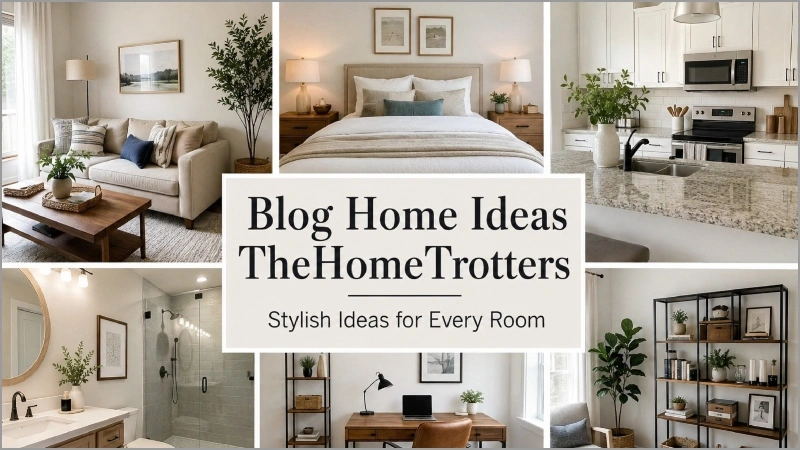
Whether you are refreshing a small apartment, updating a family home, or simply trying to make one room feel more inviting, the key is to start with the way you actually use the space. A beautiful room that is difficult to live in will quickly become frustrating.
Living Room Ideas That Balance Style and Comfort
The living room usually needs to handle several jobs at once: relaxing, entertaining, watching TV, and sometimes working. Start by creating a clear seating arrangement rather than pushing every piece of furniture against the walls.
A large rug can help visually connect the sofa, chairs, and coffee table. If your budget is limited, update smaller elements first, such as cushions, curtains, lamps, artwork, or a side table.
A Common Mistake to Avoid
Do not buy furniture simply because it looks good online. Measure the room, doorways, and walking paths first. A sofa that technically fits may still make the room feel cramped.
Lighting also deserves attention. Use a combination of ceiling, floor, and table lighting instead of relying on one bright fixture. ENERGY STAR notes that LED lighting can be up to 90% more efficient than incandescent lighting, making LEDs a practical choice for many home applications.
Bedroom Ideas for a Calmer Space
A bedroom works best when it feels restful rather than overloaded. Keep the largest visual elements—such as the bed, dresser, and curtains—coordinated without making everything identical.
Soft bedding, layered textures, and warm lighting can make the space feel more comfortable. For smaller bedrooms, consider wall-mounted lighting or furniture with built-in storage to preserve floor space.
One useful rule is to leave enough room around frequently used furniture. You should not have to squeeze between the bed and dresser every morning just because the arrangement looks attractive in a photograph.
Kitchen Ideas That Improve Everyday Use
Kitchen design should prioritize workflow. Place frequently used items where they are easy to reach, and avoid filling countertops with decorative objects that reduce preparation space.
Open shelving can display attractive dishes or glassware, but it also requires regular tidying. If you prefer a cleaner appearance, closed cabinets may be the better choice.
For a budget-friendly update, consider changing cabinet hardware, adding under-cabinet lighting, replacing worn textiles, or introducing a small amount of natural wood.
Bathroom Ideas With Practical Details
A bathroom can feel more polished through small improvements. Replace outdated hardware, introduce matching storage containers, add fresh towels, and improve the lighting around the mirror.
Do not overlook ventilation. The EPA recommends adequate ventilation as one of the main strategies for improving indoor air quality and controlling indoor pollutants and moisture.
Avoid overcrowding a bathroom with decorative items, especially around sinks and showers where moisture can make cleaning more difficult. For relative contant, visit my website.
Home Office Ideas for Better Focus
A home office should support concentration without feeling sterile. Position the desk where you have comfortable access to daylight when possible, then add task lighting for darker hours.
Keep cables organized and avoid creating a pile of equipment around the workspace. A simple shelf, drawer unit, or cable-management system can make a noticeable difference.
Think about your chair and desk height before buying decorative accessories. Ergonomics and comfort should come before appearance.
Small-Space Ideas That Actually Work
Small rooms do not necessarily need tiny furniture. The better approach is to choose pieces that perform multiple functions.
Consider:
- A versatile ottoman that offers extra seating while keeping essentials neatly tucked away.
- A narrow console behind a sofa
- Wall-mounted shelves instead of bulky cabinets
- A mirror positioned to reflect available light
- Curtains hung high to create a taller visual effect
The biggest mistake is adding too many storage boxes, baskets, and accessories. Storage should reduce visual clutter, not simply give clutter somewhere else to sit.
Smart Decorating Decisions Before You Buy
Before purchasing anything, use this simple process:
- Measure the space. Include doors, windows, radiators, and walking areas.
- Identify the problem. Decide whether the room needs better storage, lighting, comfort, or organization.
- Choose one focal point. Avoid making every wall or furniture piece compete for attention.
- Check scale. Large furniture can overwhelm a small room, while tiny pieces may look lost in a large space.
- Layer gradually. Add accessories only after the main furniture and lighting are working.
Also think about safety. The U.S. Fire Administration advises keeping cords away from areas where they can become damaged and avoiding overloaded outlets and power strips.
How to Make Home Ideas Feel Personal
Following trends can provide inspiration, but copying an entire room rarely creates the most comfortable result. Instead, choose a few ideas that suit your lifestyle.
For example, someone who entertains regularly may benefit from flexible seating, while someone who works from home may get more value from improved task lighting and organized storage.
The goal of Blog Home Ideas TheHomeTrotters should be inspiration that can be adapted to real homes—not a requirement to recreate a showroom.
FAQs
What is the easiest way to refresh a room?
Start with lighting, textiles, furniture placement, and clutter. These changes can alter the appearance of a room without major construction.
How can I decorate on a small budget?
Prioritize high-impact items such as lighting, curtains, rugs, hardware, and carefully selected accessories rather than replacing every piece of furniture.
How do I make a small room look larger?
Use appropriately scaled furniture, maintain clear walking paths, use vertical storage, and avoid filling every available surface.
Should every room have the same style?
No. Rooms should feel connected through colors, materials, or finishes, but each space can still have its own character.
How can I make my home both stylish and practical?
Start with function. Choose furniture and decorations that support your routine, provide useful storage, and remain easy to clean and maintain.
Conclusion
The strongest home design ideas are the ones that improve everyday living while still reflecting your taste. Instead of changing everything at once, identify what is not working, make a few purposeful improvements, and build from there.
Use Blog Home Ideas TheHomeTrotters as inspiration, but adapt each idea to your room size, budget, lifestyle, and practical needs. A well-designed home is not defined by how expensive it looks—it is defined by how naturally it works for the people living in it. For more information, visit my website.