
 By Oilver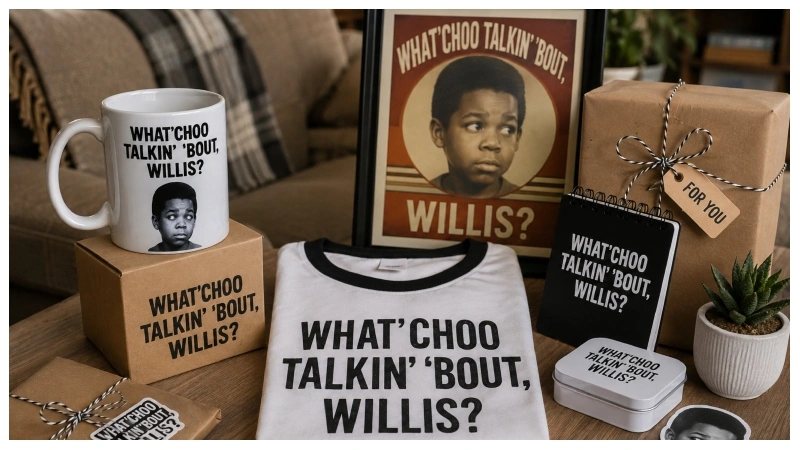
A great gift is more than something wrapped in paper—it’s a thoughtful surprise that makes the recipient smile and feel truly remembered. A store may have hundreds of options, but the right present depends on the person receiving it. Their sense of humor, hobbies, daily habits, memories, and relationship with you all matter.
That is where WhatUTalkingBoutWillis Gifts can offer a more creative direction. Rather than choosing a random item simply because it looks popular, the goal is to find something that creates a genuine reaction—a laugh, a useful surprise, or a reminder of a shared memory.
The phrase itself comes from Arnold Jackson, the character played by Gary Coleman on the sitcom Diff’rent Strokes. Arnold became closely associated with the catchphrase “What’choo talkin’ ’bout, Willis?” when reacting to his brother Willis.
Today, that nostalgic reference can inspire playful, personalized, and conversation-starting gift ideas. This guide explains how to choose one without relying on generic recommendations.
What Makes a Gift Feel Truly Personal?
A meaningful gift is about creating a special feeling, not simply handing someone a package. It shows that you paid attention.
Think about a friend who is always making jokes about old television shows. A standard coffee mug may be useful, but a retro-themed mug connected to a phrase you both recognize has much more personality.
The difference usually comes down to relevance.
Before buying anything, ask yourself:
- What does this person genuinely enjoy?
- What kind of humor do they appreciate?
- Is there a shared memory you can build around?
- Will they actually use the item?
- Does it fit the occasion and your relationship?
A thoughtful gift does not have to be expensive. In many cases, personalization and context make a modest present feel more valuable than a costly item chosen without much thought.
Best WhatUTalkingBoutWillis Gifts for Pop Culture Fans
For someone who enjoys classic television and nostalgic references, themed gifts can work especially well.
A few possibilities include retro-inspired T-shirts, mugs, wall art, stickers, notebooks, collectibles, or personalized accessories featuring a reference to the famous phrase.
The key is not to buy merchandise simply because it contains the words. Consider the recipient first.
For example, a longtime sitcom fan might appreciate a framed retro-style print, while a younger relative who enjoys vintage humor might prefer a modern graphic shirt.
The best choice depends on how the person expresses their interests.
Personalized Gifts Make the Joke More Meaningful
Personalization can turn a familiar idea into something made specifically for one person.
Imagine giving your brother a mug featuring an inside joke connected to a phrase he uses all the time. The mug itself is ordinary. The story behind it makes it memorable.
You can personalize a gift by adding:
- A first name or nickname
- A memorable date
- An inside joke
- A short message
- A favorite color or design
- A reference to a shared experience
This approach works particularly well for birthdays, anniversaries, graduations, and friendship milestones.
A useful rule is simple: personalize only when the addition makes sense. Adding someone’s name to everything does not automatically make a gift thoughtful.
Funny Gifts for Friends Who Love Humor
Humor can make a gift memorable, but it is also easy to get wrong.
Start with the person’s style of humor. Someone who enjoys light jokes may love a clever novelty item, while another person may prefer subtle references that only close friends understand.
For a friend who loves classic sitcoms, a retro-inspired gift can create an instant conversation starter. A funny coffee mug, graphic T-shirt, desk sign, or framed print can work well when the joke matches their personality.
Avoid humor that embarrasses the recipient, targets something sensitive, or depends on an outdated stereotype. The funniest gift is usually one that makes the recipient laugh with you rather than at them.
WhatUTalkingBoutWillis Gifts for Birthdays
Birthdays give you more freedom because you can match the gift to the individual’s personality.
For a close friend, consider combining a themed item with something practical. For example, a humorous mug could be paired with their favorite coffee or tea.
For a family member, a personalized item might carry more emotional value. A framed print, custom accessory, or small keepsake can become a reminder of your relationship.
For a coworker, keep the humor light and professional. A funny desk accessory or coffee cup may be safer than an overly personal joke.
The strongest birthday gifts usually combine two things: something the person likes and something that reminds them you know them well.
Thoughtful Holiday Gift Ideas
Holiday shopping often creates a different problem: you may need gifts for several people at once.
Instead of buying the same type of present for everyone, create a simple system.
Start by dividing recipients into groups such as family, friends, coworkers, and casual acquaintances. Then consider their interests before setting a spending limit.
For example, you could choose:
For a sibling: a nostalgic or personalized item connected to a shared memory.
For a friend: a funny gift that fits their personality.
For a coworker: a useful desk or everyday item with a subtle humorous touch.
For a longtime TV fan: a retro-inspired collectible or display piece.
This method makes holiday shopping easier because you are selecting based on people rather than randomly browsing products.
Affordable Gifts Can Still Feel Special
A common mistake is assuming that a memorable gift needs a large budget.
It does not.
A small gift can feel surprisingly valuable when it has a clear connection to the recipient. A handwritten note, customized design, favorite snack, printed photograph, or inexpensive themed item can add emotional value.
For example, place a humorous mug, favorite snack, handwritten card, and a small collectible together. Each item may be inexpensive, but the combination feels intentional.
This is especially useful when you want to stay within a fixed budget without making the gift feel rushed.
Choosing Gifts for Someone Who Has Everything
Shopping for someone who already owns everything requires a different strategy.
Do not focus only on possessions. Focus on experiences, personalization, and things they would not necessarily buy for themselves.
A few directions include a customized keepsake, unusual desk accessory, hobby-related item, nostalgic collectible, or an experience connected to something they enjoy.
Think about what they talk about when they are excited. Those conversations often reveal better gift ideas than their existing belongings.
For instance, someone who constantly talks about classic television may appreciate a nostalgic display item more than another generic gadget. My website provides you with more information; visit my website.
When a Gift Card Is the Better Choice
Gift cards sometimes get criticized as impersonal, but that depends on how you use them.
A gift card can be a smart choice when you know the recipient’s favorite store, restaurant, hobby, or service but are unsure which specific item they want.
To make it feel more thoughtful, pair it with a handwritten message or a small related item.
For example, a bookstore gift card could accompany a note recommending a few books. A coffee-shop card could be paired with a reusable cup. That small extra effort turns a practical choice into a more personal gesture.
Before buying a gift card, check its terms, expiration rules, and other conditions. Consumer guidance also recommends being cautious about scams involving gift cards. The Federal Trade Commission warns that anyone demanding payment through a gift card is a scammer.
How to Prevent Choosing the Wrong Gift
Sometimes the best gift strategy is knowing what not to buy.
Avoid products that look impressive online but have little connection to the recipient. A trending item can become clutter if the person has no interest in it.
You should also check practical details such as size, compatibility, materials, shipping times, return policies, and product reviews before purchasing.
This matters especially for clothing, electronics, personalized products, and gifts ordered close to a special occasion.
A five-minute check can prevent an expensive mistake.
A Simple Gift-Selection Formula
When you are completely stuck, use this formula:
Person + Interest + Occasion + Personal Detail = Better Gift
For example:
Friend + classic TV + birthday + shared joke = personalized retro gift
Or:
Parent + coffee + holiday + favorite saying = customized mug and coffee bundle
This formula works because it forces you to start with the recipient rather than the product.
That small change can make the shopping process much easier.
How to Make Your Gift More Memorable
Presentation matters more than many people realize.
A short handwritten note can explain why you chose the gift. A creative wrapping style can add anticipation. Even the way you introduce the gift can turn an ordinary moment into something memorable.
Consider telling a short story about why the item reminded you of the recipient.
For a nostalgic present, mention the show, phrase, or memory that inspired your choice. For a practical item, explain how you think it will make their everyday routine easier.
The explanation gives the gift context.
Common Gift-Giving Mistakes
One of the biggest mistakes is shopping at the last minute.
When you rush, you tend to choose whatever is easy to find rather than what actually suits the person.
Another mistake is focusing too heavily on price. A $20 gift that perfectly fits someone’s personality can be more meaningful than a $100 item they never use.
It is also worth avoiding excessive personalization. A gift should still look and feel attractive rather than becoming a collection of names, dates, and slogans.
Finally, do not confuse novelty with usefulness. A funny gift can be great, but the best ones often combine humor with something the recipient can actually enjoy.
Why Nostalgic Gifts Continue to Work
Nostalgia can add emotional meaning because it connects an object with a memory or cultural reference.
The Diff’rent Strokes catchphrase became strongly associated with Arnold Jackson and remains recognizable as part of the show’s pop-culture legacy.
That makes a phrase-based gift potentially more interesting to someone who remembers the show than a generic novelty product.
The important point is context. Nostalgia works best when the recipient already has some connection to the reference.
Final Thoughts
The best WhatUTalkingBoutWillis Gifts are not necessarily the biggest, most expensive, or most unusual options. They are the ones that make sense for the person receiving them.
Start with personality. Think about interests, memories, humor, and everyday needs. Then choose an item that connects naturally to those details.
For a pop-culture fan, a nostalgic reference can create a laugh. For a close friend, an inside joke can make a simple item feel personal. For someone who has everything, an experience or customized keepsake may be a better choice than another object.
Most importantly, do not let SEO-style lists or popular trends make the decision for you. Google’s own guidance emphasizes useful, original, people-first content rather than content created mainly to manipulate rankings. It also notes that there is no required word count for ranking.
The same principle works for gift giving: start with the person, not the product. When the choice reflects who they are, even a simple present can become the one they remember. For more information, visit my website.