
 By Oilver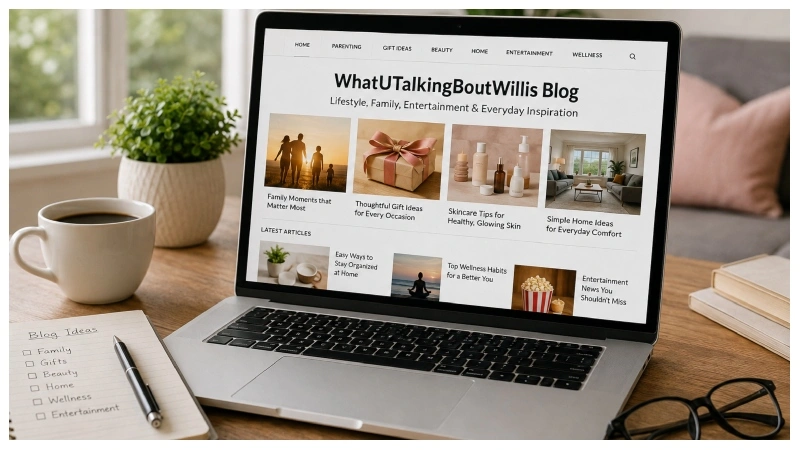
The WhatUTalkingBoutWillis blog has become a recognizable name for readers interested in lifestyle content, family experiences, entertainment, product ideas, beauty, and practical advice. Its unusual name immediately catches attention, but the content is what keeps readers exploring.
Unlike highly specialized websites that focus on only one subject, the blog covers different parts of everyday life. That broad approach makes it useful for readers who want entertainment and practical ideas in the same place.
This guide explores what the WhatUTalkingBoutWillis blog is about, the subjects readers can expect to find, why its conversational approach works, and what readers should consider when evaluating lifestyle content online.
What Is the WhatUTalkingBoutWillis Blog?
The WhatUTalkingBoutWillis blog is generally positioned as a lifestyle and entertainment platform covering subjects such as family life, parenting, beauty, gifts, home ideas, wellness, and everyday experiences.
The site’s distinctive name is inspired by the famous phrase associated with Arnold Jackson in the classic sitcom Diff’rent Strokes. That cultural reference gives the brand a playful and nostalgic personality.
Today, searches for the phrase can lead users to several similarly named websites and pages. For that reason, readers should check the website address and author information before assuming that every result belongs to the same publication.
What Topics Can Readers Find?
One of the biggest attractions of the WhatUTalkingBoutWillis concept is its variety. Lifestyle readers rarely have only one interest, so a multi-topic publication can serve several needs during the same visit.
Parenting and Family Life
Family content remains an important part of the site’s identity. Articles in this category can address parenting experiences, family activities, children, relationships, and the everyday challenges that come with a busy household.
The most useful parenting articles usually go beyond generic advice. For example, a practical article about family routines might explain how parents can create a simple evening schedule rather than simply telling them to “stay organized.”
That difference matters because readers can immediately apply specific suggestions to their own lives.
Gift Ideas and Product Reviews
Gift guides are another area strongly associated with the brand. Searches around WhatUTalkingBoutWillis gifts and gift guides often reflect a practical search intent: people want help choosing something suitable for a particular person or occasion.
A useful gift guide should answer questions such as:
- Who is the gift for?
- What is the approximate budget?
- Is the item practical or sentimental?
- How useful will it be after the initial excitement?
- Are there cheaper alternatives?
- What makes the recommendation different from similar products?
Readers should also check whether product recommendations disclose sponsorships, affiliate relationships, or other commercial connections.
That transparency helps people distinguish between genuine recommendations and promotional content.
Beauty and Wellness Content
Beauty and wellness are common subjects within modern lifestyle publishing, and WhatUTalkingBoutWillis-related content includes discussions around these areas.
The strongest articles in this category focus on realistic experiences rather than promising instant results. For example, a skincare article becomes more useful when it explains how a product fits into a routine, what type of user may benefit from it, and what limitations readers should understand.
Wellness content deserves additional caution. Readers should distinguish general lifestyle suggestions from professional medical advice, particularly when an article discusses symptoms, treatments, medications, or health conditions. My website provides you with more information about this.
Home and Lifestyle Inspiration
Home-related content is another natural fit for a lifestyle audience.
Readers may look for ideas involving organization, decorating, cleaning, DIY projects, everyday household improvements, or ways to make their living environment more comfortable.
Practical home content works best when it considers real-world constraints.
For example, someone planning a small room makeover may not need a complete renovation. A better approach could involve rearranging furniture, improving lighting, adding storage, or changing a few decorative elements.
This type of advice gives readers achievable options instead of automatically encouraging expensive purchases.
Entertainment and Pop Culture
The unusual name of the blog has strong roots in television culture, so entertainment and pop culture are a natural part of its identity.
Entertainment-focused content can include television, movies, celebrities, trends, nostalgia, and popular culture.
However, readers should apply the same critical thinking they would use with any entertainment website. Headlines can sometimes make rumors sound like confirmed news.
Before sharing a celebrity claim, check whether the article:
- Identifies the original source.
- Separates confirmed information from speculation.
- Provides dates and context.
- Uses reliable references where appropriate.
- Avoids misleading clickbait.
These simple checks can prevent inaccurate information from spreading.
Why a Conversational Writing Style Matters
One reason lifestyle blogs can connect with audiences is their conversational approach.
Traditional informational writing often sounds formal. Lifestyle content can feel more personal because readers are usually looking for ideas they can relate to rather than technical documentation.
Imagine two articles about organizing a kitchen.
The first says:
“Kitchen organization improves household efficiency.”
That statement may be true, but it doesn’t tell the reader what to do.
A stronger article might explain how to group frequently used items, remove duplicate tools, label storage containers, and keep everyday cookware within easy reach.
The second approach creates an immediate connection between information and action.
That is where experience-driven writing becomes valuable.
What Makes Lifestyle Content Trustworthy?
Not every blog post deserves the same level of trust. Search engines and readers both benefit from content that demonstrates genuine knowledge, transparency, and usefulness.
When evaluating a WhatUTalkingBoutWillis article—or any lifestyle article—look for several signals.
Clear Author Information
An identifiable author can provide important context. Readers can investigate the writer’s experience and determine whether they have relevant knowledge.
First-Hand Experience
Experience can make advice more useful.
For example, a home organization article becomes more valuable when the writer shares what worked, what didn’t, and what they would do differently.
Supporting Evidence
Claims involving statistics, health, finance, technology, or consumer products should rely on credible sources.
A personal opinion does not need a scientific citation, but a factual claim about a medical treatment or financial outcome deserves stronger evidence.
Transparency
Readers should know when content involves sponsorships, affiliate links, partnerships, or gifted products.
Transparency doesn’t automatically make an article unreliable. Instead, clear disclosure allows readers to understand the relationship behind a recommendation. Get more information from my website.
How Readers Can Get More Value From the Blog
Simply reading an article is not always enough. The best way to use lifestyle content is to turn useful information into practical action.
Step 1: Identify Your Actual Problem
Instead of browsing randomly, begin with a specific need.
For example:
- “I need affordable birthday gift ideas for a teenager that are both useful and thoughtful.”
- “I want to organize my small bedroom.”
- “I need a simple family activity.”
- “I want to create a simple and effective daily skincare routine.”
A specific question makes it easier to judge whether an article actually helps.
Step 2: Compare Recommendations
Don’t immediately purchase the first product mentioned.
Compare price, specifications, reviews, alternatives, and return policies. A lifestyle blog can provide ideas, but the final buying decision should come from your own research.
Step 3: Check the Date
Lifestyle information can become outdated surprisingly quickly.
Product prices change. Technology evolves. Travel policies change. Beauty products get reformulated. Entertainment news moves rapidly.
A recent publication date doesn’t automatically guarantee accuracy, but an old article deserves additional verification.
Step 4: Apply What Makes Sense
Every household has different needs, so not every recommendation will work for everyone.
If an article recommends a $500 home upgrade but your budget is $50, don’t assume the advice is useless. Look for the underlying idea and adapt it.
For example, a recommendation for custom storage could inspire you to use inexpensive shelves or organizers instead.
The Difference Between Inspiration and Expertise
Lifestyle blogs are excellent sources of inspiration, but readers should understand their limits.
An article about decorating a living room can offer creative ideas. It doesn’t necessarily make the author an interior designer.
Likewise, a personal wellness story can be relatable without replacing professional medical guidance.
This distinction is especially important for content involving health, finance, legal matters, or safety.
The best approach is to use lifestyle blogs as a starting point, then consult authoritative sources or qualified professionals when the subject requires specialized expertise.
Why Authenticity Matters in Modern Blogging
Online audiences have become increasingly skeptical of content that feels manufactured.
Readers can often recognize when an article exists primarily to rank for a keyword rather than answer a real question.
Authentic content usually does something different. It explains the reasoning behind recommendations, acknowledges limitations, provides useful examples, and avoids exaggerated claims.
The WhatUTalkingBoutWillis brand is often associated with this conversational, personal style, which helps explain why the phrase has developed recognition beyond its original television reference.
For bloggers, the lesson is straightforward: personality can attract visitors, but useful information gives them a reason to return.
What Bloggers Can Learn From WhatUTalkingBoutWillis
The blog also offers useful lessons for people building their own websites.
Build a Recognizable Identity
A memorable name can help a website stand out in a crowded market.
Write for People First
Keyword optimization matters, but an article should never feel like a collection of repeated search terms.
Add Personal Experience
Specific examples, lessons learned, and practical observations can make an article more valuable than generic summaries.
Cover Related Topics Carefully
A lifestyle site can cover multiple subjects, but its categories should still make sense for the intended audience.
Keep Updating Useful Content
Older articles can lose value when products, trends, prices, or recommendations change. Updating strong content can improve its usefulness and accuracy.
Is the WhatUTalkingBoutWillis Blog Worth Reading?
For readers interested in lifestyle, family, entertainment, gifts, beauty, and practical everyday ideas, the WhatUTalkingBoutWillis concept can be worth exploring.
However, the quality of individual articles matters more than the brand name alone.
A useful reader should evaluate each article based on its author, evidence, date, transparency, and practical value. This approach works for every website—not just WhatUTalkingBoutWillis.
It is also worth noting that several similarly named domains appear in search results. Some publish lifestyle material, while others contain broader or unrelated topics. Users should therefore verify the exact domain before relying on information or assuming two sites are connected.
Final Thoughts
The WhatUTalkingBoutWillis blog represents the broader appeal of lifestyle publishing: readers want information that is useful but still feels personal and entertaining.
From parenting and family experiences to gifts, beauty, home ideas, entertainment, and everyday advice, the site’s subject range reflects how people actually consume lifestyle information.
The biggest lesson for readers is to stay curious but critical. Use blogs for inspiration, practical ideas, and different perspectives, while checking important claims against reliable sources.
For bloggers, the lesson is equally valuable: memorable branding may bring someone through the door, but authentic experience, useful information, and consistent quality are what encourage readers to stay. For more information, visit my website.