
 By Oilver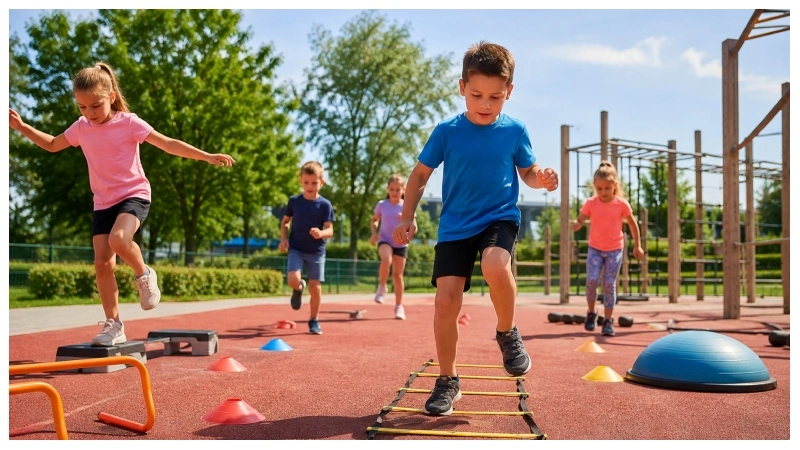
Helping children become stronger, more active, and confident does not require an intense workout routine. For most kids, the best training plan combines movement, play, basic strength, coordination, rest, and plenty of encouragement.
LLBlogKids Training Hacks by Lovelolablog can be understood as a practical approach to making kids’ training more enjoyable and easier to fit into everyday life. Instead of treating exercise like a strict adult fitness program, parents can turn simple activities into opportunities to build useful physical skills.
The goal is not to create young bodybuilders or professional athletes. It is to help children develop healthy movement habits that can support them as they grow.
How to Create a Fun Training Plan for Kids?
A good children’s training routine should match the child’s age, development, interests, and ability. The American Academy of Pediatrics emphasizes age-appropriate activities, proper technique, supervision, and enjoyment when children participate in strength or sports training.
That means a successful routine might include:
- Running, walking, or playing tag
- Jumping and hopping games
- Climbing
- Bodyweight movements
- Throwing and catching
- Balance activities
- Sports and active games
- Light resistance exercises for children who are ready
- Plenty of free play
Variety matters because children need more than one type of movement. It also keeps exercise from becoming boring.
1. Make Exercise Feel Like Play
One of the simplest LLBlogKids Training Hacks by Lovelolablog is to avoid making every activity feel like a workout.
For example, instead of telling a child to complete ten minutes of cardio, create a mini obstacle course in the backyard. Place cones, pillows, or other safe objects around an open area and ask the child to run, step over, crawl under, or move around them.
A game can build several skills at once:
- Agility
- Balance
- Coordination
- Speed
- Body control
Children are often more willing to repeat an activity when they are having fun.
2. Use Bodyweight Exercises First
Children do not automatically need heavy weights to develop strength. Simple bodyweight movements can teach them how to control their bodies.
Depending on age and ability, examples can include:
- Squats
- Modified push-ups
- Step-ups
- Lunges
- Bear crawls
- Planks
- Frog jumps
The focus should be on good movement rather than completing as many repetitions as possible.
The AAP notes that resistance training can be appropriate for children when it is developmentally suitable, properly supervised, and performed with correct technique.
3. Build a Simple 20-Minute Routine
Parents do not need a complicated training schedule.
A simple 20-minute routine might include:
5 minutes: Easy warm-up and movement games
5 minutes: Squats, step-ups, and modified push-ups
5 minutes: Jumping, hopping, or a simple obstacle course
5 minutes: Fun activity and gentle cool-down
The exact routine should change according to the child’s age and abilities.
For younger children, the activity may be mostly play. Older children who participate in organized sports may benefit from more structured skill and conditioning work.
4. Encourage Daily Movement
The CDC’s physical activity guidance recommends that children and adolescents ages 6–17 get at least 60 minutes of moderate-to-vigorous physical activity each day. The activity should include aerobic movement, with muscle- and bone-strengthening activities on at least three days each week.
That does not mean children need to spend an hour doing formal workouts.
The total can come from different activities throughout the day.
For example:
Before school: 10-minute walk
After school: 20 minutes playing outside
Evening: 30 minutes of soccer, cycling, dancing, or another active game
This approach can make daily movement feel much more manageable.
5. Turn Household Time Into Training
Another useful LLBlogKids Training Hacks by Lovelolablog idea is to look for movement opportunities during normal family life.
A child can practice balance while walking along a safe line on the ground. Carrying lightweight objects around the house can become a supervised movement activity. A family walk can include short periods of faster walking, while music can turn dancing into a fun cardio session.
The important point is to keep activities safe and age appropriate.
Exercise does not always need a gym, sports field, or expensive equipment.
6. Train Coordination, Not Just Strength
Strength is only one part of physical development.
Kids need to develop body control as they grow, helping them move with better balance, coordination, and confidence.Throwing, catching, balancing, hopping, changing direction, and reacting to moving objects can help develop coordination.
Try a simple family challenge:
- Toss a soft ball back and forth.
- Add one step to the side after each catch.
- Try balancing on one foot before throwing.
- Create a short target-throwing game.
These activities can be adjusted as the child improves.
7. Keep Strength Training Safe
Strength training for children needs careful supervision. The AAP says children can benefit from resistance training when they use proper technique and receive appropriate supervision. It also advises against maximum lifts and ballistic maneuvers before skeletal maturity.
For beginners, focus on:
- Learning the correct movement
- Using manageable resistance
- Maintaining good form
- Starting gradually
- Allowing recovery
- Stopping if pain occurs
A child should never be encouraged to compete with friends by lifting the heaviest possible weight.
If a child has a medical condition or a history that could affect exercise safety, parents should discuss training with an appropriate healthcare professional before starting a structured program.
8. Don’t Ignore Rest and Recovery
More training is not always better.
Young athletes need time to recover, particularly when they participate in organized sports. The AAP recommends regular breaks and cautions against excessive training, early specialization, and year-round intensive participation because these can contribute to overuse injuries and burnout.
A practical weekly plan might include active days mixed with easier days.
For example:
- Monday: Soccer practice
- Tuesday: Easy family walk and free play
- Wednesday: Short strength and coordination session
- Thursday: Rest or relaxed activity
- Friday: Bike ride
- Saturday: Sport or outdoor games
- Sunday: Recovery and family activity
The exact schedule should depend on the child’s sport, age, school routine, and overall activity level.
9. Avoid Comparing Children
One child may run quickly but struggle with balance. Another may have excellent coordination but need more time to build strength. Comparing them can make exercise feel like a competition rather than something positive.
Instead, measure progress against the child’s previous ability.
For example:
“Look how much your balance has improved since you first tried it. Today you finished it without stepping off.”
That type of feedback focuses on progress and effort.
10. Use Sports for Real-World Skills
Sports can make training more meaningful because children learn physical skills while participating in something they enjoy.
Soccer can develop running, kicking, balance, and decision-making. Swimming can build endurance and body control. Basketball involves jumping, running, throwing, and changing direction. Martial arts can teach coordination, balance, and controlled movement when taught appropriately.
The best choice is often the activity the child actually enjoys.
The AAP recommends choosing programs that emphasize personal involvement, variety, success, and fun rather than focusing only on winning. For more information, click here.
11. Make Parents Part of the Routine
Children often respond better when adults participate with them.
Instead of sitting nearby while a child exercises, parents can join the activity. A ten-minute family challenge may be more motivating than telling a child to exercise alone.
Try:
- Family bike rides
- Weekend hikes
- Backyard obstacle courses
- Dance breaks
- Catch-and-throw games
- Family walks
- Playground visits
This also creates an important message: physical activity is a normal part of family life.
12. Watch for Signs of Overtraining
Parents should pay attention when a child repeatedly complains about pain, seems unusually exhausted, loses interest in activities, or struggles to recover between sessions.
The AAP advises stopping activity when something hurts and evaluating signs of injury or overuse before returning to exercise.
Training should help children feel capable and energized—not constantly exhausted.
A Simple Kids Training Example
Here is a practical example for a school-aged child who enjoys outdoor activities:
Warm-up — 5 minutes
- Easy jogging
- Arm movements
- Walking lunges
- Light jumping
Movement circuit — 10 minutes
- 8 bodyweight squats
- 5 modified push-ups
- 10-second balance on each leg
- 20 seconds of jumping
- Short obstacle-course run
Repeat the circuit according to the child’s ability rather than forcing a fixed number of rounds.
Fun finish — 10 minutes
Choose soccer, cycling, tag, dancing, or another favorite activity.
This structure combines movement and enjoyment without turning the session into an overly demanding workout.
Common Mistakes Parents Should Avoid
Even a well-intentioned training plan can go wrong when adults focus too heavily on performance.
Avoid:
- Forcing children to exercise when they are injured
- Using adult-level training programs
- Encouraging maximum lifts
- Ignoring poor technique
- Training hard every day
- Specializing too early in one sport
- Comparing siblings or teammates
- Making weight loss the primary goal
- Treating winning as more important than enjoyment
Youth training should support healthy development rather than create unnecessary pressure.
Why These Training Hacks Work
The biggest strength of LLBlogKids Training Hacks by Lovelolablog is the focus on practical movement rather than complicated fitness routines.
Children do not need a perfect program to become active. They need opportunities to move, learn, play, improve, and recover.
A child who enjoys running around the park may get more value from regular outdoor games than from an expensive home exercise machine. Likewise, a young athlete may benefit more from improving movement technique than from adding heavier resistance.
The best routine is one that fits the child’s development and can be maintained consistently.
Final Thoughts
LLBlogKids Training Hacks by Lovelolablog offers a useful way to think about children’s fitness: keep it simple, enjoyable, varied, and age-appropriate.
Focus on movement quality rather than numbers. Use games to build coordination. Introduce resistance carefully when appropriate. Give children enough time to recover, and let their interests guide the activities.
Most importantly, remember that kids are still growing. The goal is not to train them like miniature adults. It is to help them build confidence, physical skills, and positive habits that can last for years.
When exercise feels like an enjoyable part of everyday life, children are much more likely to keep moving long after the workout is over. Get more information from my website.