
 11
11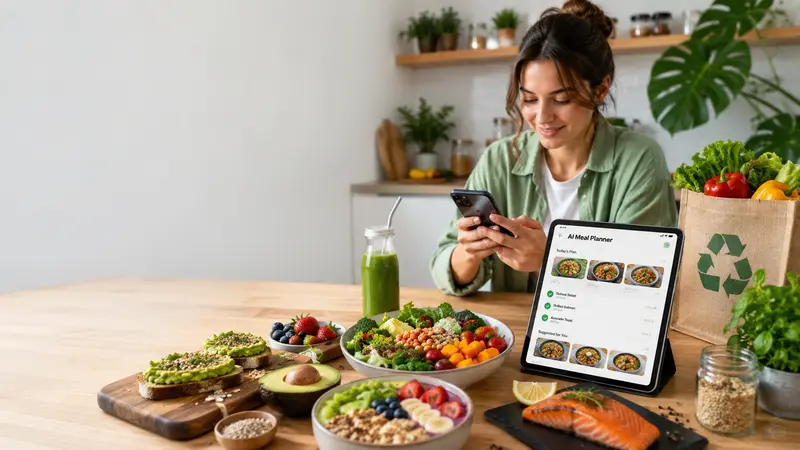
The way people discover, prepare, and enjoy food has changed dramatically over the past few years. Social media, artificial intelligence, sustainability concerns, and health awareness have created a new wave of online food trends that influence everything from grocery shopping to restaurant menus.
One emerging topic attracting attention is online food trends FHTHopeFood, a concept centered around healthier eating, digital food inspiration, sustainable choices, and practical home cooking. Rather than chasing short-lived viral recipes, this approach emphasizes long-term food habits that are nutritious, affordable, and environmentally responsible.
In this guide, we’ll explore the latest online food trends, explain how FHTHopeFood fits into the modern food landscape, and share practical ways you can benefit from these evolving habits.
Online Food Trends FHTHopeFood refers to a growing movement where digital platforms encourage healthier food choices, sustainable cooking practices, and community-driven recipe sharing. Instead of focusing only on visually appealing meals, this trend emphasizes balanced nutrition, food education, and accessible home cooking.
The movement combines several popular digital behaviors:
Unlike many internet food crazes that disappear within weeks, these trends focus on habits that provide lasting value. For more information, visit my website.
Food trends no longer begin exclusively in restaurants. Today, millions of people discover new dishes through:
According to industry research, most younger consumers discover new recipes online before trying them at home. Social media has become one of the largest influences on purchasing decisions in the food industry.
This digital-first approach allows trends to spread globally within days.
Artificial intelligence now helps families:
Instead of searching endlessly for recipes, users receive personalized recommendations based on dietary preferences and budgets.
Imagine opening your refrigerator and finding:
Modern AI recipe tools can instantly generate several healthy dinner ideas without requiring additional grocery shopping.
Environmental awareness has become one of the strongest food trends online.
People increasingly look for recipes that:
Small changes—such as cooking with leftover vegetables or freezing extra ingredients—can make a meaningful environmental impact over time.
Rather than eliminating meat entirely, many households now follow a “plant-forward” approach.
Meals emphasize:
Consumers increasingly choose foods that provide specific health benefits.
Popular functional ingredients include:
People aren’t simply counting calories anymore—they’re considering gut health, immunity, and overall wellness.
Economic uncertainty has encouraged more people to prepare meals at home.
Online creators now share recipes designed around:
Affordable cooking has become one of the fastest-growing recipe categories online. For more information visi my website.
Social media platforms influence food culture in unique ways.
Quick cooking tutorials simplify complex recipes into one-minute demonstrations.
These videos encourage users to experiment without feeling overwhelmed.
Facebook groups, Reddit communities, and food forums allow home cooks to:
The result is collaborative learning instead of one-way instruction.
High-quality food photography inspires people to cook meals they might otherwise order from restaurants.
Presentation has become almost as important as flavor.
One noticeable shift within FHTHopeFood is the rejection of overly restrictive diets.
Instead, modern nutrition encourages:
This realistic approach makes healthy eating more sustainable.
Several technologies continue transforming kitchens.
Connected devices can:
Apps now recommend purchases based on:
This reduces impulse buying while improving meal planning.
One-size-fits-all diets are becoming less common.
Instead, online nutrition platforms personalize recommendations according to:
Customization improves long-term success because recommendations feel achievable.
Millions of tons of edible food are wasted every year.
Online educators now teach practical ways to reduce waste:
Reducing waste saves money while supporting environmental sustainability.
Cooking has become increasingly social.
People participate in:
These communities encourage confidence among beginner cooks while inspiring experienced home chefs.
Several ingredients continue appearing across modern recipes.
These ingredients offer nutritional value while remaining versatile.
Restaurants and food brands increasingly monitor online conversations.
Benefits include:
Businesses that adapt quickly often gain a competitive advantage.
You don’t need expensive ingredients or professional equipment.
Start with these simple habits:
Meal planning reduces stress and unnecessary grocery purchases.
Preparing meals at home improves ingredient control and portion awareness.
Try one new recipe each week instead of changing your entire diet.
Fresh fruits, vegetables, lean proteins, and whole grains form the foundation of healthy eating.
Mastering techniques like roasting, sautéing, and baking increases confidence in the kitchen.
Many people make online food trends more complicated than necessary.
Avoid:
Consistency delivers better results than perfection.
Several innovations will likely shape the coming years:
Consumers increasingly want food that is healthy, ethical, affordable, and convenient.
The FHTHopeFood philosophy aligns closely with these expectations by encouraging practical, long-term habits rather than temporary internet fads.
What is Online Food Trends FHTHopeFood?
It refers to a growing online approach to food that combines healthy eating, sustainable cooking, digital recipe sharing, and practical meal planning inspired by modern food communities.
No. While nutrition is an important part, it also emphasizes sustainability, affordability, reducing food waste, and making cooking more accessible.
Millions of people now discover recipes through social media, blogs, video platforms, and AI-powered cooking tools, making digital platforms the primary source of food inspiration.
Absolutely. Most modern online recipes are designed for everyday home cooks and often include step-by-step instructions and affordable ingredients.
Online food trends FHTHopeFood represent more than another viral internet phenomenon. They reflect a broader shift toward healthier lifestyles, smarter technology, sustainable choices, and community-driven learning. Get more information from my website.