
 11
11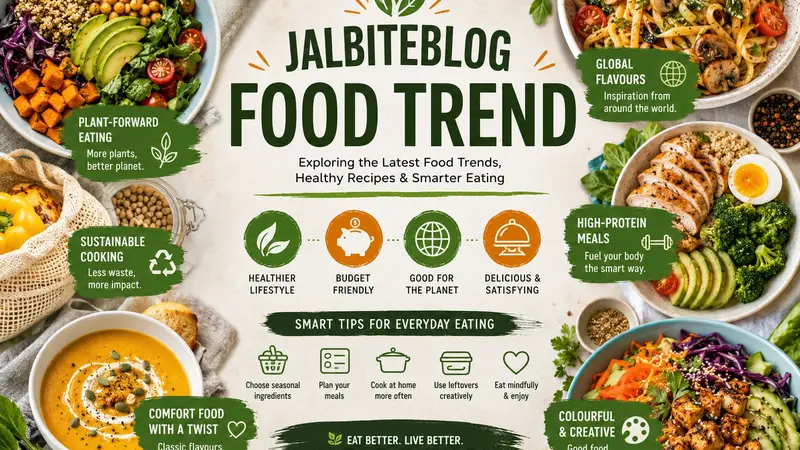
Food trends change faster than ever. One month, everyone is making high-protein breakfasts; the next, social media is full of globally inspired street food or sustainable recipes. The JalbiteBlog food trend has become a popular search term for people looking to discover what’s new in the culinary world, from healthy eating habits to viral recipes and innovative cooking techniques.
This guide explores what the JalbiteBlog food trend represents, why it has gained attention, the biggest food movements shaping today’s kitchens, and how you can apply these trends without wasting money or following short-lived internet hype.
The JalbiteBlog food trend refers to the collection of emerging food ideas, recipes, cooking methods, and dining habits featured across JalbiteBlog-style content. Rather than focusing on a single recipe, it highlights broader shifts in how people shop, cook, and eat.
Common themes include:
Many articles also examine how social media influences home cooking and restaurant menus.
Food trends are more than online fads. They often reflect changing lifestyles, health priorities, and consumer values.
Today’s home cooks increasingly want meals that are:
Restaurants and food brands closely monitor these trends because consumer preferences directly influence product development and menu design.
Plant-forward meals continue to dominate food discussions.
Unlike strict vegan diets, plant-forward eating encourages adding more vegetables, legumes, whole grains, nuts, and seeds while reducing reliance on meat.
Examples include:
This approach supports healthier eating while lowering environmental impact.
Modern kitchens no longer follow strict cultural boundaries.
People enjoy combining ingredients and cooking styles from different countries to create exciting new dishes.
Popular combinations include:
These recipes allow home cooks to experiment without needing advanced culinary skills.
Protein-rich recipes remain popular among fitness enthusiasts and busy professionals.
Common ingredients include:
High-protein breakfasts, healthy snacks, and meal-prep recipes continue to attract strong online interest.
Consumers are becoming more aware of food waste.
The JalbiteBlog food trend often highlights practical ways to reduce waste, including:
These simple practices help reduce food costs while supporting a more sustainable lifestyle.
Traditional comfort foods are evolving.
Instead of eliminating favourite dishes, many cooks are making healthier versions.
Examples include:
These recipes deliver familiar flavours while improving nutritional value.
The rise of Instagram, TikTok, and YouTube has changed how people discover and share new food trends. A single viral recipe can reach millions of people within days, inspiring home cooks worldwide. Research analysing millions of social media food posts shows that visually appealing dishes and health-related content often receive higher engagement, demonstrating the strong influence of online communities on eating habits.
However, not every viral recipe deserves long-term attention.
Before trying a trend, consider:
Imagine a busy family looking to eat healthier without increasing their grocery bill.
Instead of ordering takeaway three times a week, they begin following simple food trends such as:
Within a few months, they reduce food waste, save money, and enjoy more balanced meals.
This demonstrates that successful food trends solve everyday problems rather than simply creating attractive social media content.
Many people assume keeping up with food trends requires expensive ingredients.
It doesn’t.
Try these practical strategies:
Seasonal produce usually tastes better and costs less.
Local markets often offer fresher ingredients than imported alternatives.
Instead of replacing your entire weekly menu, introduce one new recipe each week.
Rice, pasta, beans, lentils, oats, frozen vegetables, and herbs can support dozens of trending recipes.
Following every internet trend isn’t always beneficial.
Avoid these common errors:
Speciality ingredients often sit unused after one recipe.
Choose versatile products whenever possible.
A recipe may look attractive online while containing excessive sugar, salt, or calories.
Always review nutritional information where available.
Some trends disappear within weeks.
Focus on recipes you’ll genuinely enjoy cooking repeatedly.
Several developments are likely to shape food content in the coming years:
Consumers increasingly value transparency, convenience, and sustainability alongside great taste.
If you’re exploring the JalbiteBlog food trend for inspiration, keep these tips in mind:
These habits make it easier to enjoy new food ideas while maintaining a practical and sustainable cooking routine.
Yes. Most of the recipes and ideas focus on simple cooking methods, accessible ingredients, and practical meal planning, making them suitable for cooks of all skill levels.
Many trends promote balanced eating, seasonal produce, and reduced food waste. However, it’s still important to evaluate individual recipes for their nutritional value.
No. Many trending recipes can be recreated using affordable supermarket staples and locally available produce.
The JalbiteBlog food trend represents more than a collection of viral recipes—it reflects the changing way people think about food. Modern consumers want meals that are nutritious, sustainable, easy to prepare, and full of flavour. From plant-forward cooking and global fusion dishes to smarter meal planning and waste reduction, these trends encourage practical improvements rather than short-lived online hype.